Science Museum Group Journal | View in browser

Issue 24 available to read now!
The newest issue of the Science Museum Group Journal is now available to read. This issue is particularly interested in research practices, and asks important questions about how the research performed by museums might best be decolonial, safe, and ethical. Readers can expect a range of pieces, including:
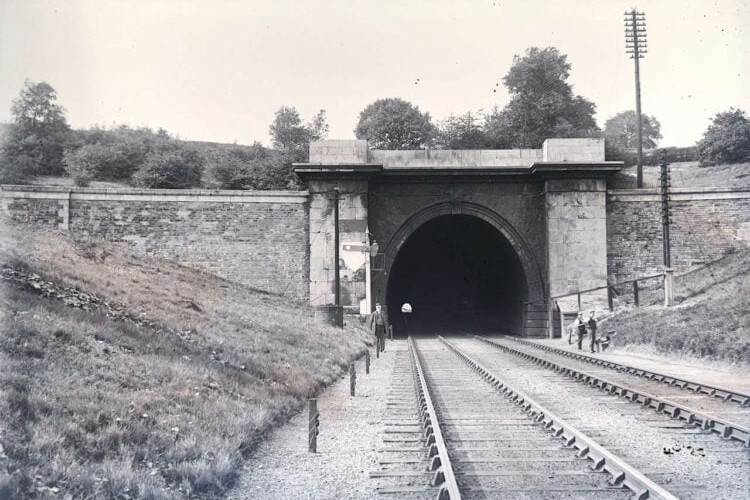
- Karen Baker and Mike Esbester discuss the collaborative research conducted through the Railway Work, Life & Death project, highlighting the way collaborative research working across disparate resources (personal histories, railway records, and more) can support discovery in the context of social history.
- Laura Humphreys presents an article on the repatriation of human remains from museum collections, focussing on the story of Preben Larsen, a Danish resistance fighter during the Holocaust, and how his remains were identified and returned for burial.
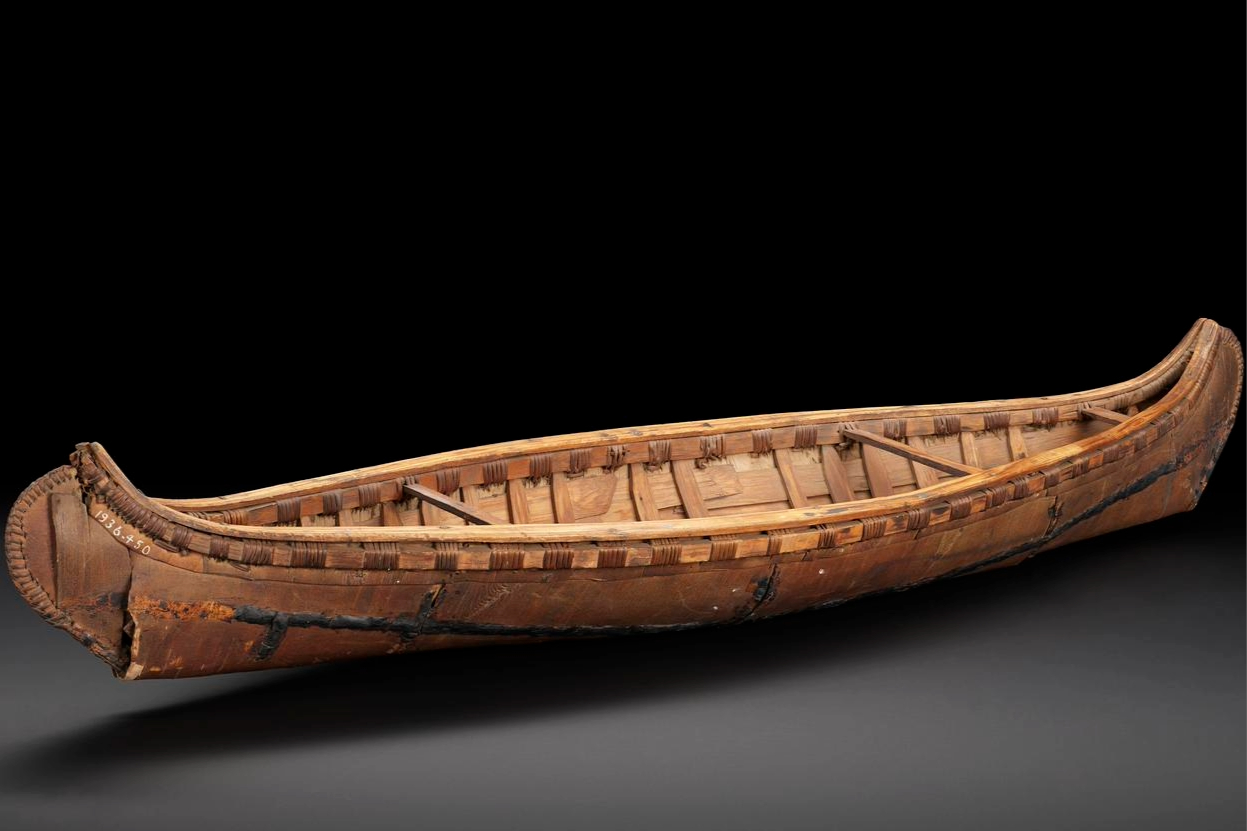
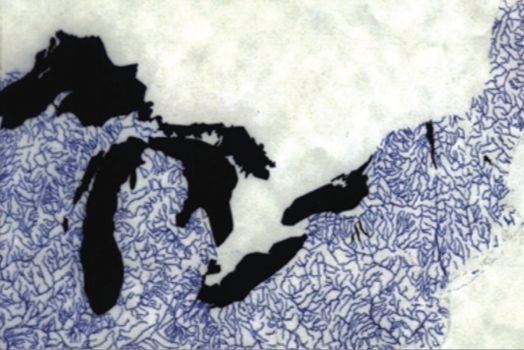
- Hartman Deetz and Milly Mulcahey-Knight write about the crucial discoveries that can be supported by involving Indigenous researchers and practicioners with museum collections, through an object discussion of an Ojibwe-designed birchbark canoe in the Science Musem collections.
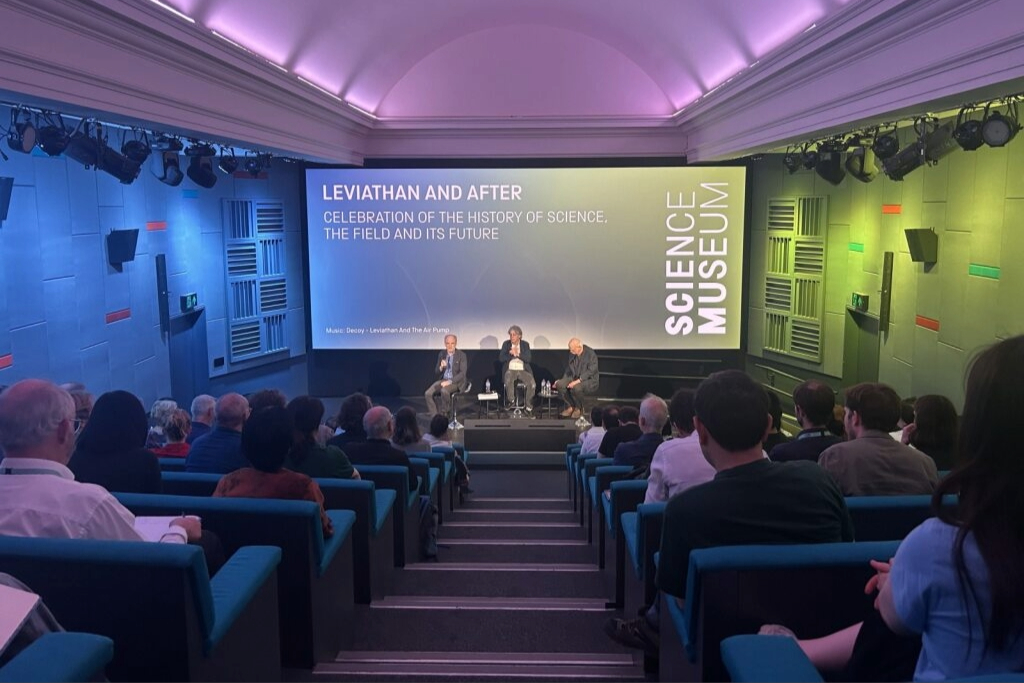
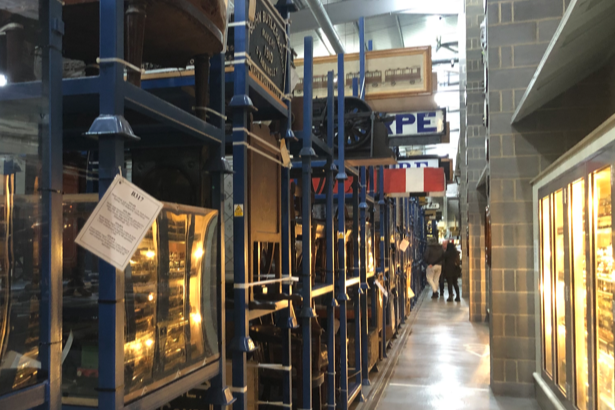
The Autumn issue also explores the opportunities for research insights presented by important museum anniversaries in a provocation by Oliver Betts, as well as the potential of wonder to support audience learning and discovery in open store collections as discussed by Yuen Ting Yiu. Simon Werrett reflects on the 40th anniversary of the publication of Stephen Shapin and Simon Schaffer's Leviathan and the Air-Pump. The issue is rounded off by three book reviews by Siobhan Armstrong, Miquel Carandell Baruzzi, and Thomas Mougey.

Do you have a paper to publish?
We are currently accepting papers for the autumn 2026 open issue of the Journal. The Journal publishes work on the history and communication of science, medicine, and technology, written by academics, curators, and independent scholars across the world. Writing that examines the history or role of science museums through object studies or material culture is encouraged. We are likewise interested in writing that considers central questions in museum practice, such as decolonisation and diversity. Writers who engage with multimedia practice are also encouraged, as the Journal is developing new and innovative ways of displaying multimedia research. If you have any questions about submissions, please contact us.
Research and Public History news
Space Seminar Series
The Space Seminar series recently concluded its four-seminar run at the Science Museum. The series ran from September to late November and attendance was open to all; speakers discussed current questions in space exploration and space research. Speakers included the Science Museum's own Abbie MacKinnon, the Natural History Museum's Miranda Hine and Paolo Cocco, Dr Thomas Clayson from Imperial College, and the UK Space Agency's Millie Ayesh-Meagher. Topics have ranged from the development of Space exhibitions at the Science Museum and the NHM, to future possibilities in solar power in space, to dealing with the threat of debris in space.
Recordings from these seminars are available on request; please email to request access.
Annual Meeting of the International Committee for the History of Technology (ICOHTEC):
Engaging the History of Technology: Bridging Disciplines and Perspectives for Global Challenges
8-11 October 2026, Alexandroupolis (Greece)
The 53rd annual meeting of the International Committee of the History of Technology (ICOHTEC) will be held at Democritus University of Thrace, in collaboration with the Laboratory of Technologies, Research & Applications in Education/School of Humanities and the Ethnological Museum of Thrace in Alexandroupolis, Greece.
Climate change, environmental injustice, political polarisation, and artificial intelligence present challenges that are at once historical, cultural, ethical, environmental, and technological. In offering vital insights into how societies have imagined progress, structured power, exchanged knowledge, and engaged with environments, the history of technology can help foreground its importance in addressing contemporary challenges at a moment when humanities disciplines face shrinking resources and pressures to justify their value.
The theme of this conference, “Engaging the History of Technology”, invites critical reflections on how history of technology can engage with evolving methodologies, theories and pedagogies, and other branches of historical study to demonstrate that understanding technologies’ pasts are essential to navigating contemporary challenges. The conference, therefore, seeks contributions across spatial and epistemic boundaries: from the everyday and local to the geopolitical and planetary; from archival practice to classroom teaching and public engagement; and from discipline-specific research methods to interdisciplinary collaborations.
Contributors may engage with one or more of the following themes, or even suggest new ways of thinking about:
- The History of Technology between the Local, the Regional, and the Global
- History of Technology, Historiography and Education
- Intersections between the History of Technology and Other Fields of Historical Study
- Special Focus: Museums, Material and Intangible Cultural Heritage, and Public Engagement
Given our collaboration with the Ethnological Museum of Thrace, we particularly welcome proposals that engage with material and intangible culture, museum practices, and public history.
Abstracts should be submitted through the conference website.
Deadline: 31 January 2026
For more information, please contact the conference team via email.
Keep up to date with all the latest research news, events and Science Museum Group Journal articles by joining our LinkedIn group: Research and Public History.