
Mission Statement: The CORaL Network empowers our region by collaborating, learning from one another, and sharing scientific, cultural, and traditional knowledge. We foster community co-creation and responsiveness to meet the needs of our partners and their communities.
We respectfully acknowledge that the land on which we gather and work is the ancestral territory of the Alutiiq/Sugpiaq, Eyak, and Dena’ina peoples. We recognize the enduring connection that these peoples have to this land, which has sustained them for generations.
Spotlight Stories
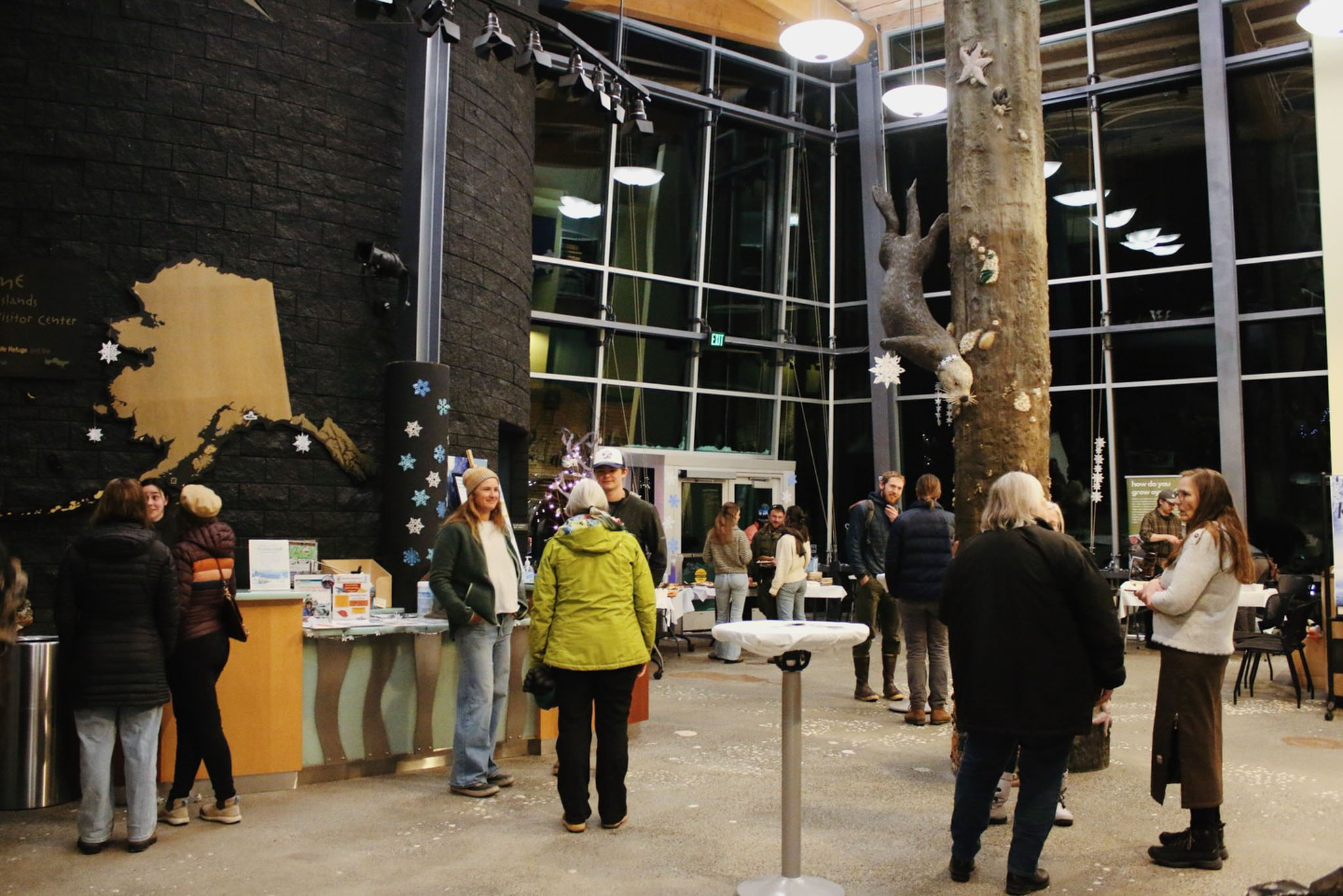
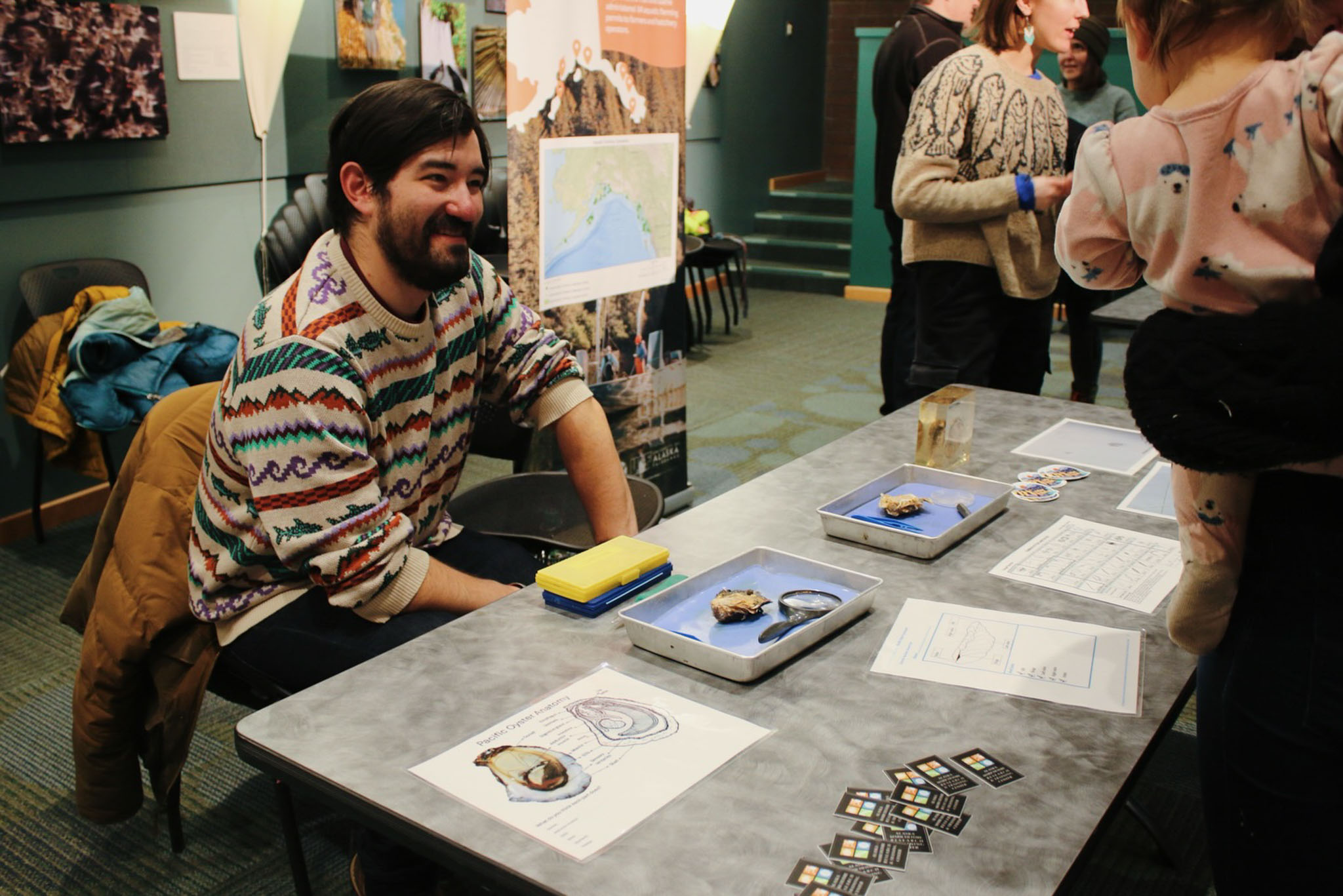
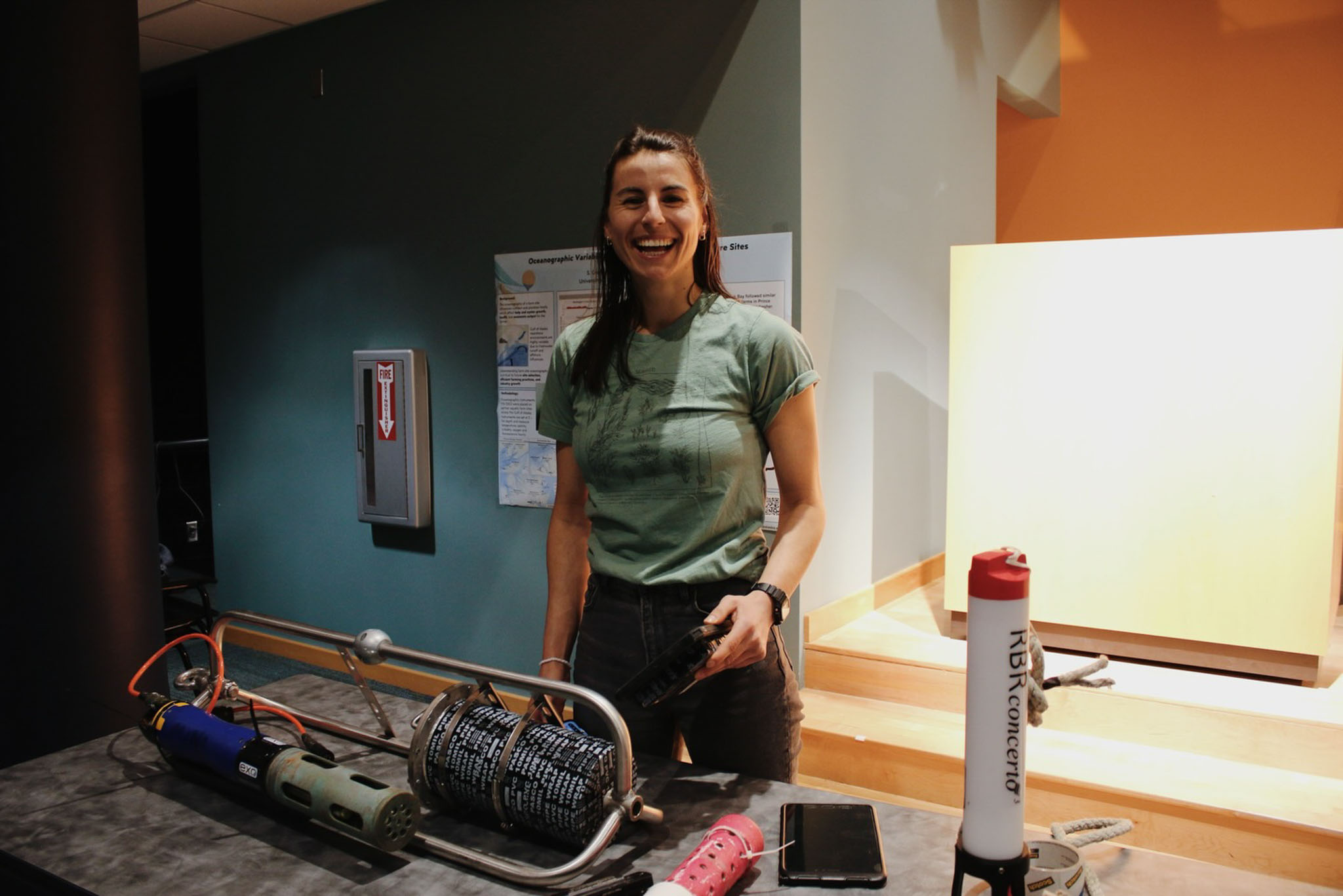
Community Education at the Alaska Marine Science Symposium (AMSS) - Anchorage, AK
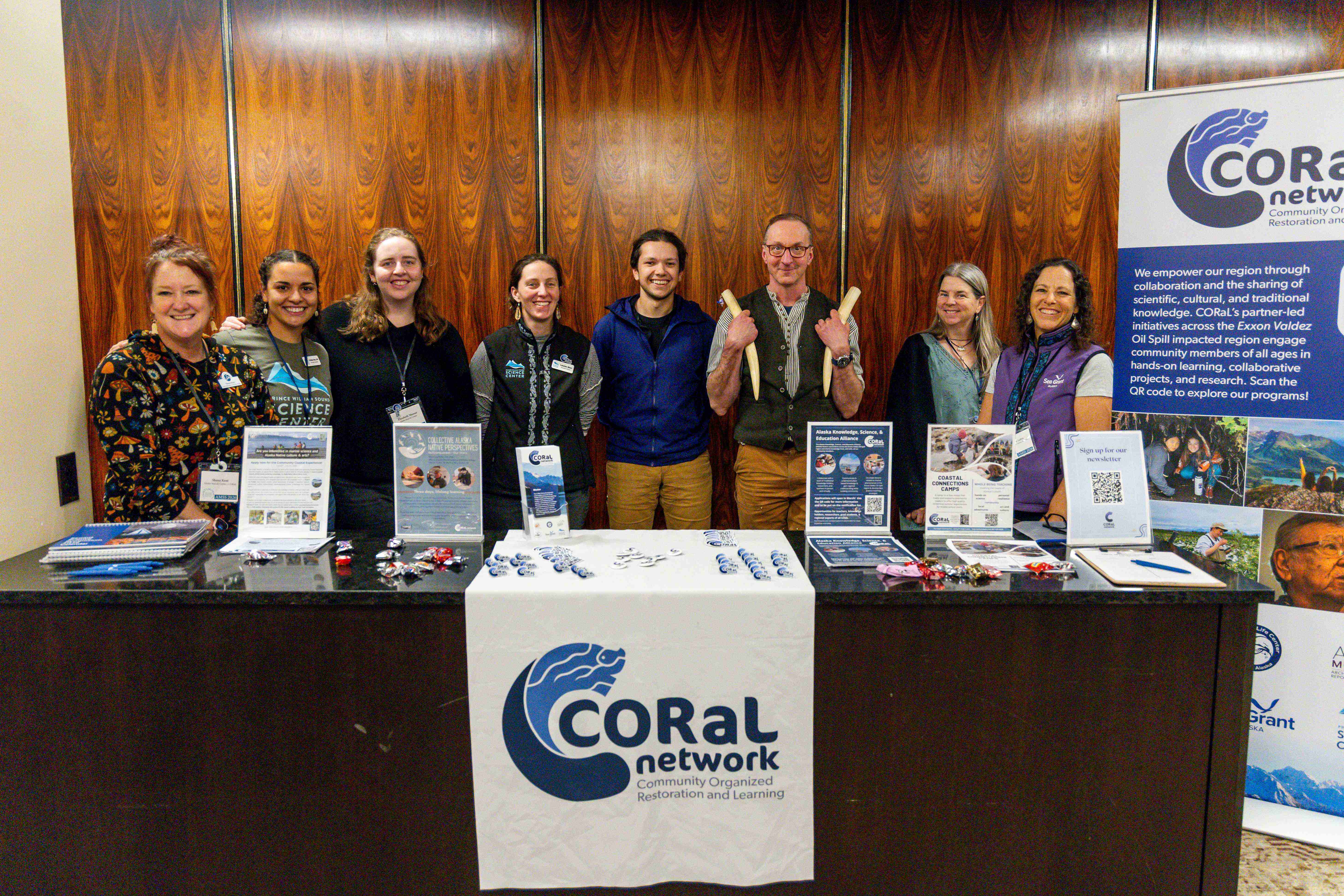
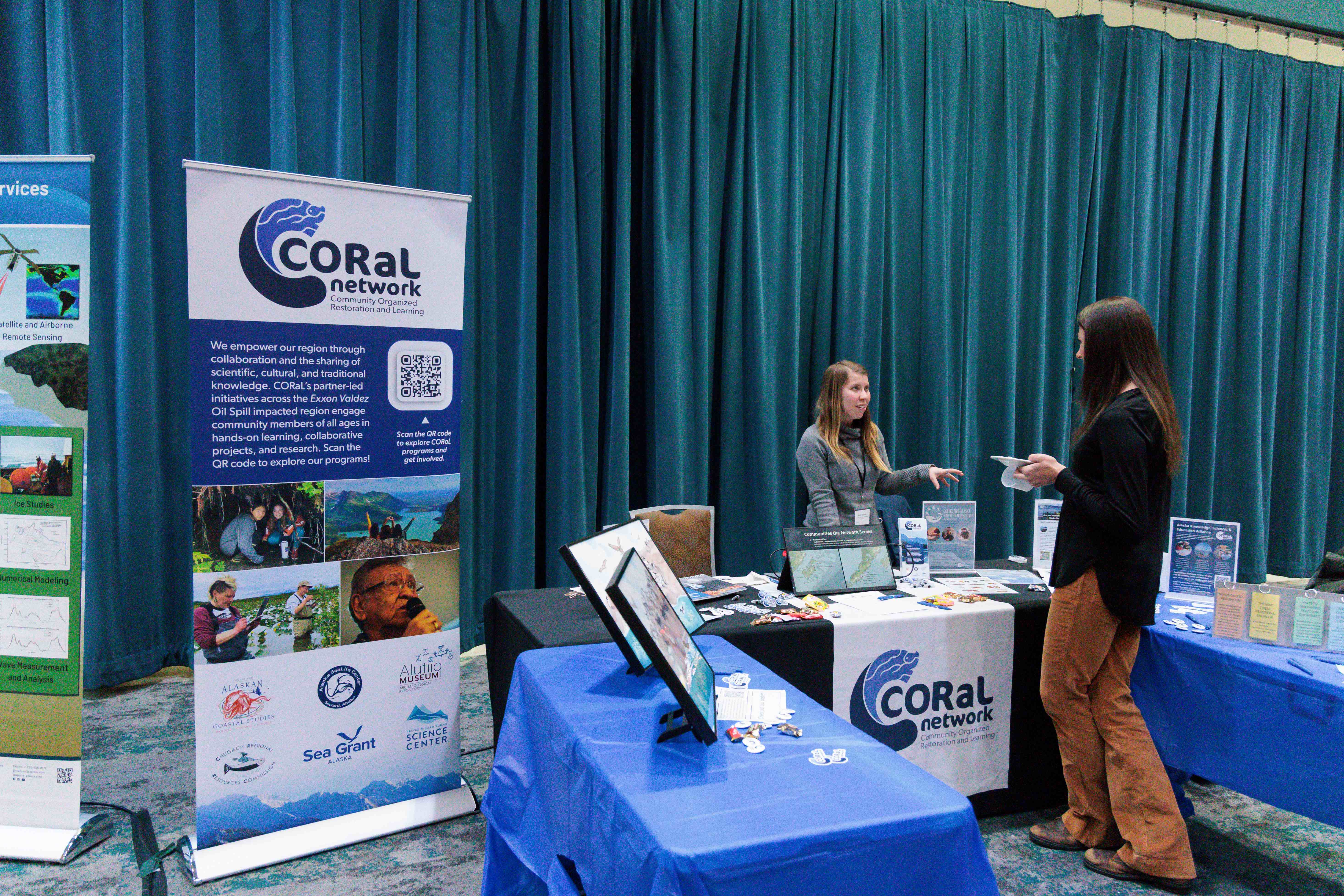
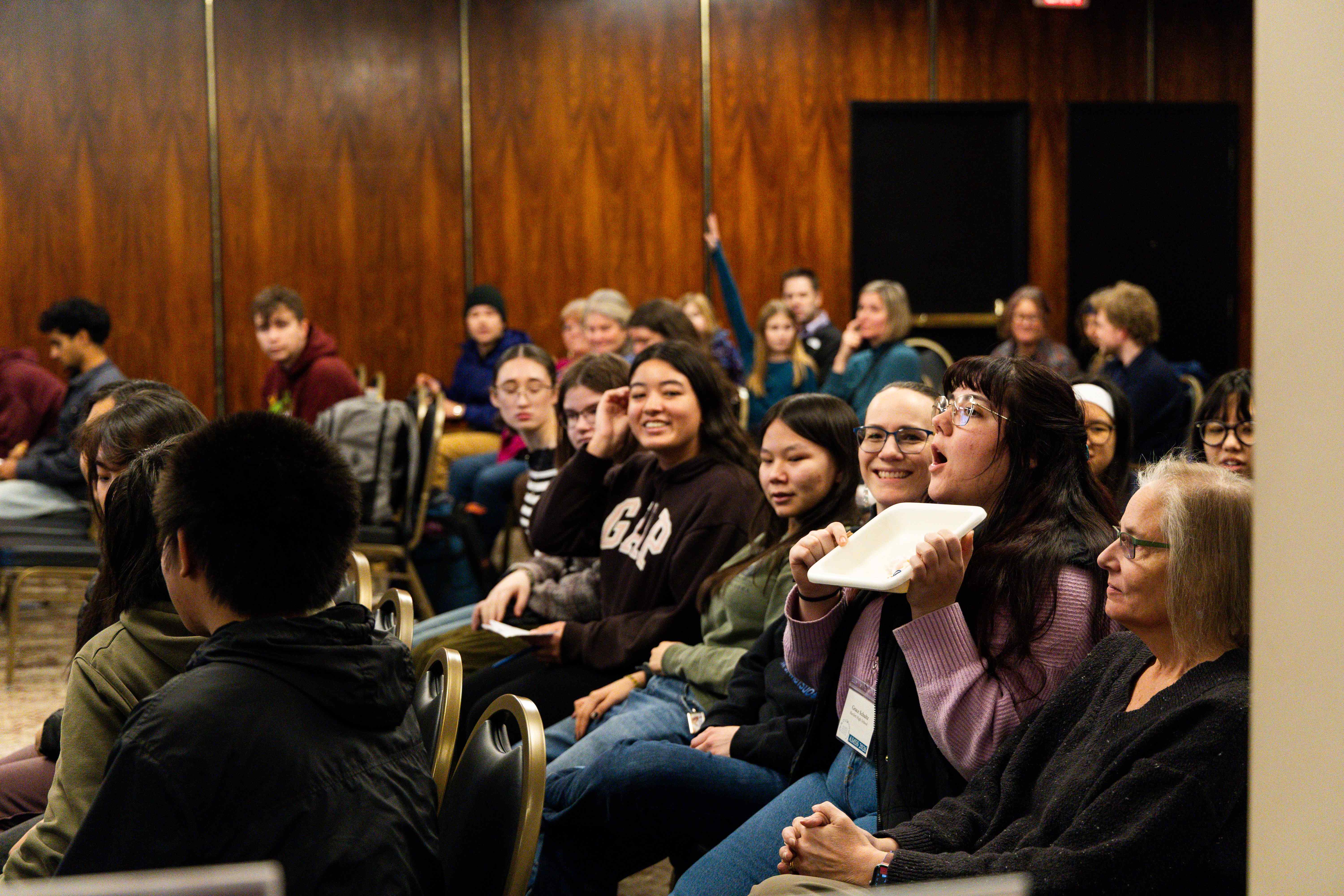
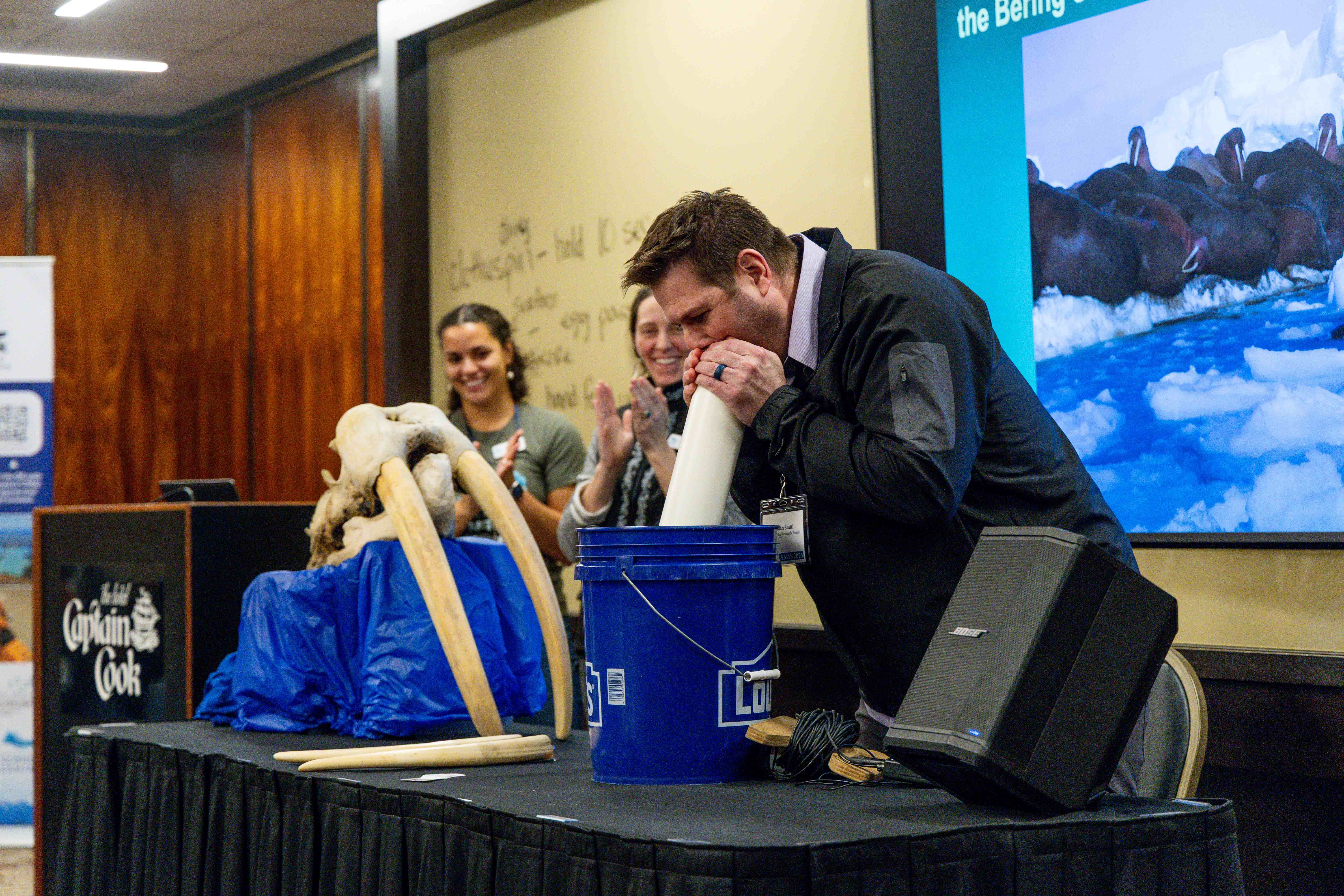
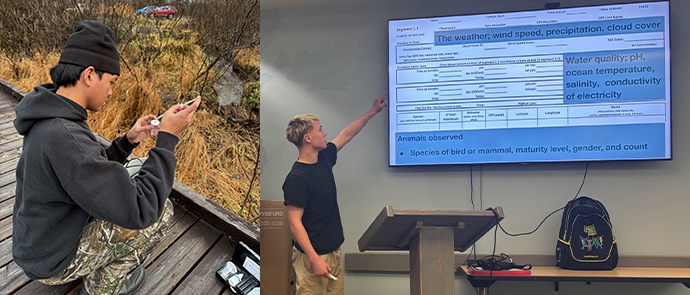
"Trends over Time" youth guiding our data collection in the Chugach Region (COMPASS)
Cordova Science Gathering
February 12-15, 2026 | The Cordova Center, Cordova
2026 Mariculture Conference of Alaska
March 10-12, 2026 | The Hotel Captain Cook, Anchorage
CRRC Annual Subsistence Memorial Gathering
March 18, 2026 | Change Point, Anchorage
Collective Alaska Native Perspectives
April 7-9, 2026 | Alaska Maritime National Wildlife Refuge Visitor Center, Homer
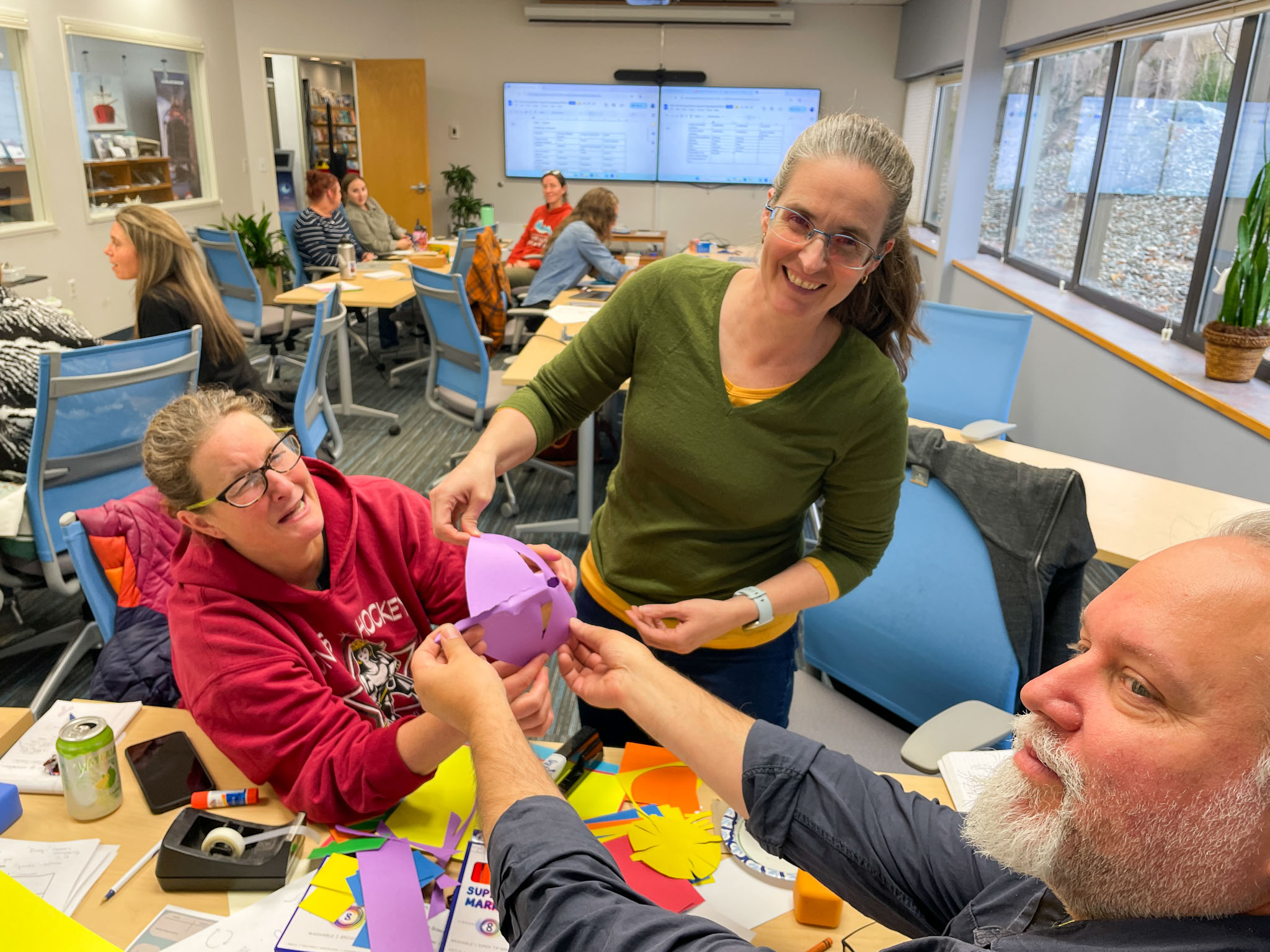
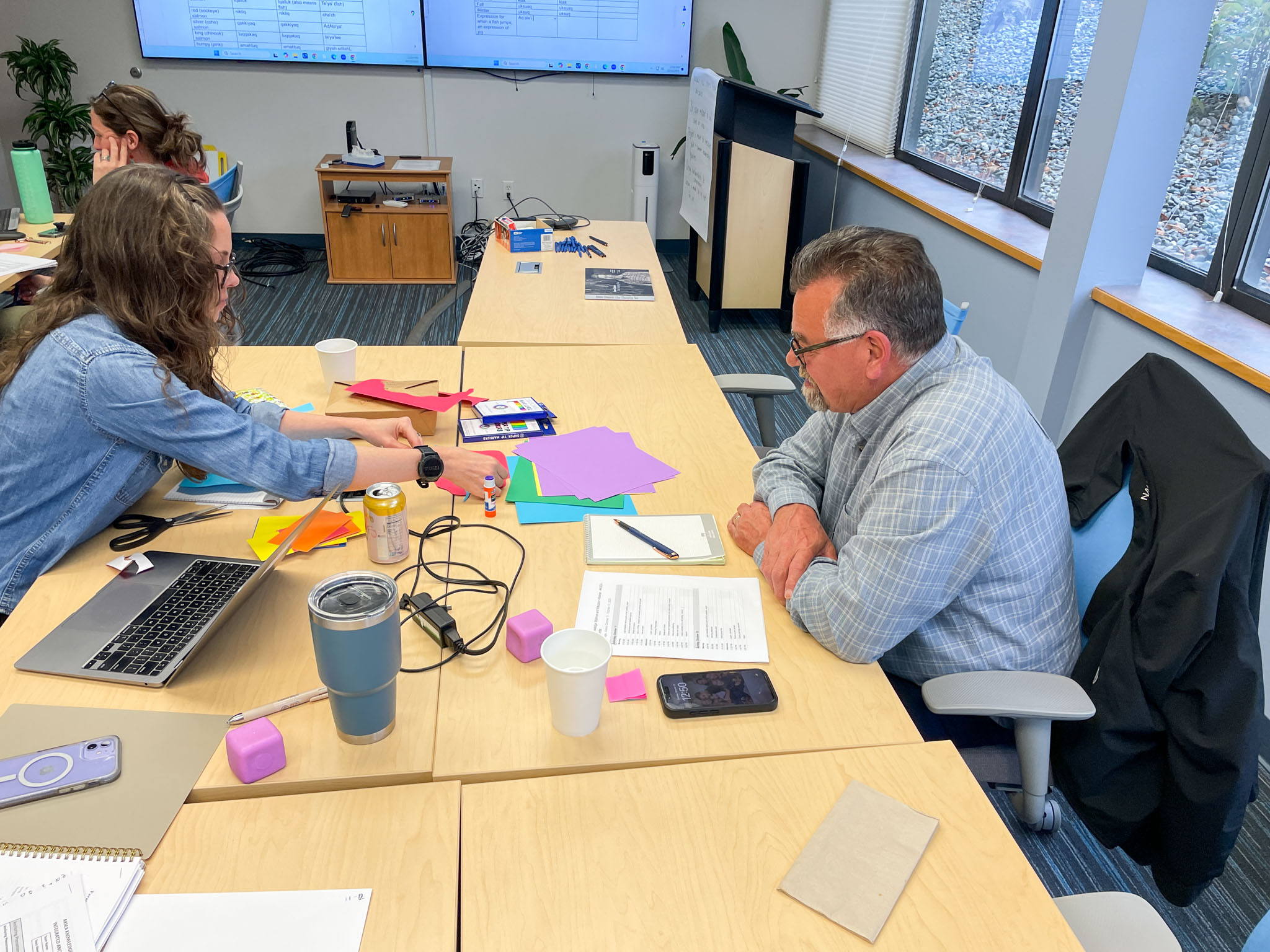
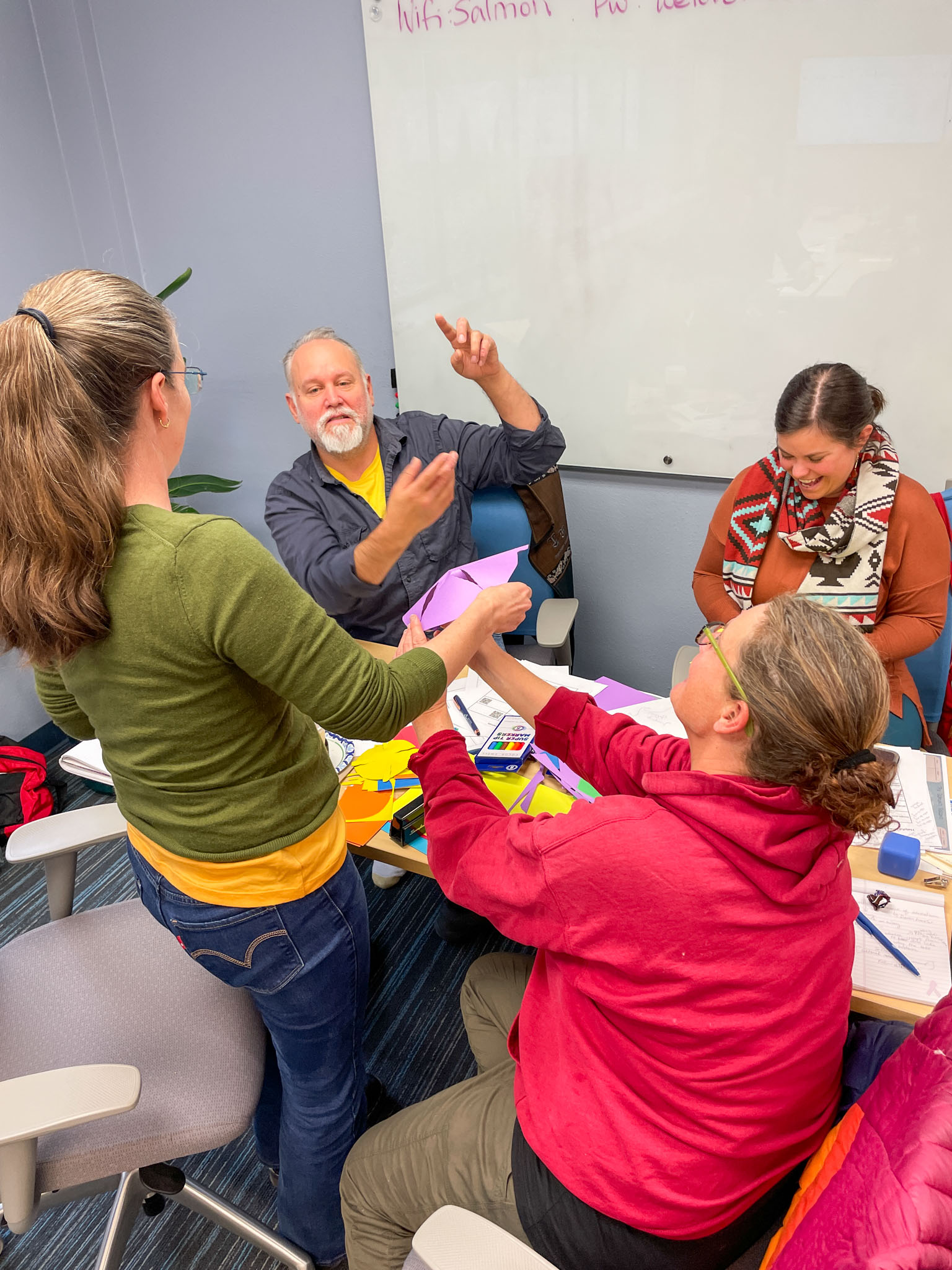
Each month this new section of our newsletter will focus on two-eyed seeing at the intersection of science and culture. This month’s section is provided by Chugachmiut Heritage Preservation’s Liicungcarsuutnguq project for the CORaL Network.
"Tungiilraa ggwanirpak! Pukilaaryaturyuumirtuten-qaa?" Is said by Sugpiaq Elders after a high tide arrives, meaning,"The tide has just come here! Do you want to get some driftwood?" Pukilaaq — driftwood — is an important resource in the winter months, especially in Sugpiaq villages with fewer woody trees. This resources can be used to power a maqi — banya/bathhouse, ciqlluaq — smokehouse, and pelit’aaq — cooking stove.
Credit: Liicungcarsuutnguq program, with reference to the Nanwalegmiut Paluwigmiut-llu Nupugnerit Conversational Alutiiq Dictionary (Leer, 1978). Several of the words have updated spellings from the Leer 1978 reference text. The new spellings are used here to adhere to the 2021/22 orthography and regional pronunciation.
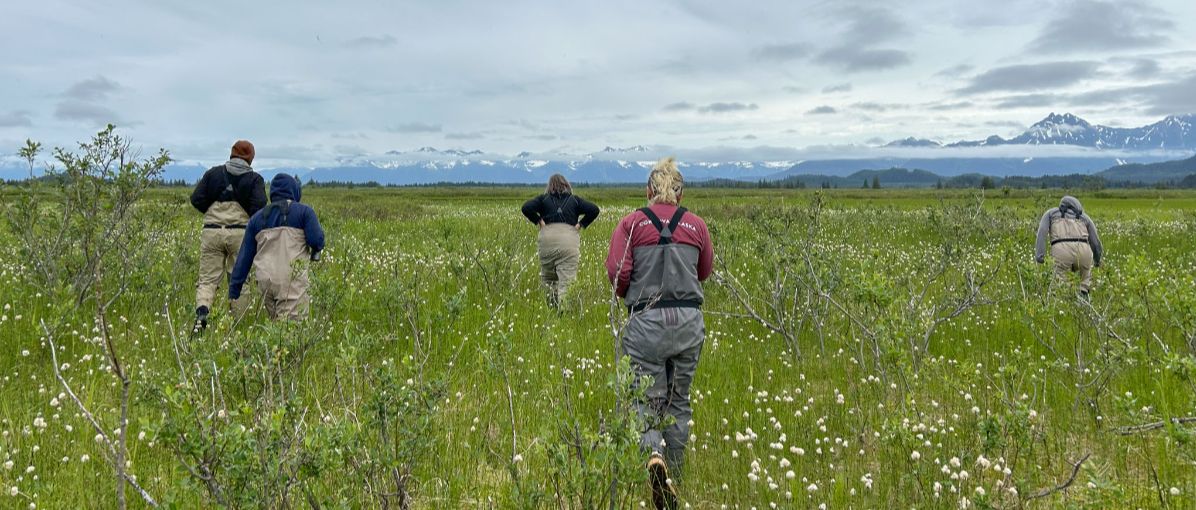
(Traveling Internship) Applications are open for the Community Coastal Experience internship! Join us for a month of learning and travel in Seward and Kodiak!
The Community Coastal Experience (CCE) is an adult internship program organized by the CORaL Network to increase opportunities in marine & coastal research, environmental monitoring, and Alaska Native cultural history & arts. Successful applicants for the 2026 CCE will join a small group for a month, from June 8 - July 3, 2026. This program is open to all Alaskans 18+ who live in or who hold strong ties to the region affected by the Exxon Valdez Oil Spill. At-large Tribal citizens or others who hold lineal ties to the spill-affected region, but who no longer live in Alaska, are also eligible to apply. Apply at: tinyurl.com/infoCCE. Applications will be accepted on a rolling basis until February 6, 2026.
(Seward, AK) Education & Outreach Specialist - Chugach Regional Resource Commission (CRRC)
Will accept applicants from all villages and towns in the Chugach region. Support education opportunities for CRRC’s Tribal communities related to natural resource management, marine and terrestrial research, sustainable economic development, and subsistence lifeways.
(Seward, AK) Research Biologist - Chugach Regional Resource Commission (CRRC)
The Research Biologist will design, conduct, and analyze research projects focused on mariculture species and marine ecosystems.
(Seward, AK) Community Catalyst - Alaska South Coast Partnership (ASCP), Chugach Regional Resource Commission (CRRC).
We are a growing network of community leaders responding to the challenges and opportunities of the Alaskan Southcoast (the Alutiiq and Eyak homeland). Informed by indigenous values, we’re inviting passionate, community-rooted individuals to step into the role of Community Catalyst.
(Cordova, AK) 2026 Summer Camp Lead - Prince William Sound Science Center (PWSSC).
Plan and lead camp activities that are safe, fun, and educational. Carry out all camp logistics, including registration, meal planning and preparation, and administering first-aid, among other tasks. Collaborate with PWSSC education staff, when appropriate, to participate in educational activities. May 18 - Aug 14, 2026.
(Cordova, AK - temporary) Fisheries Oceanography Field and Lab Technician - Prince William Sound Science Center (PWSSC).
Serve as a technician on research cruises involving sampling fishes, plankton, and oceanographic conditions in PWS and be responsible for processing samples in the lab. Beginning May 2026 and lasting 5 months.
(Multiple Locations - seasonal) Seasonal Wildlife Biologist, National Park Service.
Conducts biological surveys to monitor wildlife populations and wildlife/human interactions. Conducts backpack, kayak, and motor vessel-based field data collection for wildlife and plant programs with ability and willingness to kayak, camp, and work in extreme weather conditions and under difficult logistical circumstances.
(Juneau, AK - full-time) Wildlife Biologist 3 - Alaska Department of Fish and Game, Division of Wildlife Conservation.
Promote the Marine Mammal Program through outreach efforts with partners, conservation groups, policy makers, scientists, and the public. Experience as a wildlife biologist performing field work studies on marine mammals.
(Homer, AK - Seasonal) Multiple Positions - The Center for Alaskan Coastal Studies (CACS)
The Center for Alaskan Coastal Studies (CACS) is recruiting for a number of summer positions focused on place-based learning and environmental education for children, teens, local families, and visitors to Homer. Our summer staff work to connect people of all ages to the unique ecosystems of Kachemak Bay, including forests, rocky intertidal beaches, peatlands, and meadows.
(Fairbanks & Kachemak Bay, AK) Assistant Professor - University of Alaska Fairbanks (UAF)
The UAF College of Fisheries and Ocean Sciences (CFOS) invites applications for a tenure-track faculty position (9-mo support) at the assistant professor level with a specialization in coastal marine ecology in the Department of Marine Biology based at the UAF main campus (Troth Yeddha’ campus).
(Seward, AK - full-time) Veterinary Assistant - Alaska SeaLife Center (ASLC).
Assists with the day-to-day functioning of the laboratory, quality control program and laboratory testing, including but not limited to: hematology, serum chemistry, microbiology, urinalysis, fecal parasite exams, and water coliform tests. Opportunities to assist the Wildlife Response program and support internal and external research projects. Apply by February 22.
(Seward, AK - seasonal) Research Tech 2 - Marine Ecology - Alaska SeaLife Center (ASLC).
Conducts laboratory benchwork, and assists with routine maintenance of research laboratory space, including procurement, inventory, sample collection, laboratory analysis, and data entry. Ensures that appropriate record keeping is maintained, including sample tracking records and laboratory data. Apply by Feb 16. Position is April 1 - Sept 30.
(Seward, AK - full-time) Accounting Technician 3 - AR - Payroll - Alaska SeaLife Center (ASLC).
This position is responsible for various accounting support functions at the Alaska SeaLife Center. Accounting knowledge and payroll experience are required. See position description for required qualifications.
(Seward, AK - seasonal) Internship - Alaska SeaLife Center (ASLC).
Complete the application for no more than 2 positions. Provide us with the best e-mail and phone number for contacting you. If you are applying for 2 internships, you must complete an application for each one. Internship opportunities: cold-water diving (cert. required), interpretation, education, husbandry, wildlife response, RVM of Stellar Sea Lions, Vet Lab, Chiswell Project, science communication, aquarium - fish and invertebrates - and MORE.
(Seward, AK - seasonal) Volunteer, Multiple Departments - Alaska SeaLife Center (ASLC).
Join the Alaska SeaLife Center family as a volunteer. As a non-profit organization, the Alaska SeaLife Center relies on our active volunteer staff to fulfill our mission year-round.



Quick Links