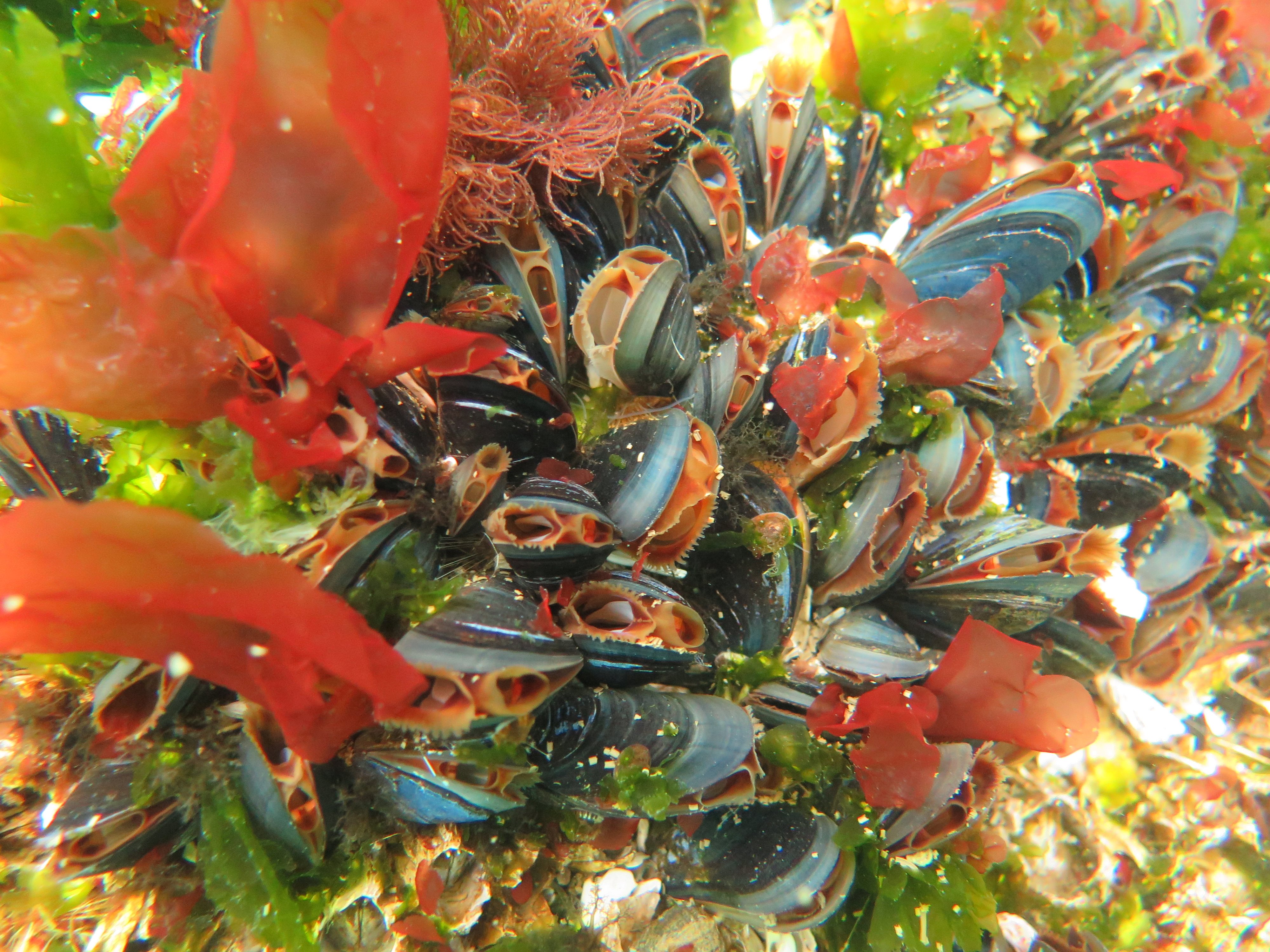
As a community benefit organization focused on education and research, the Prince William Sound Science Center collaborates with many partners across Alaska to study our local and regional ecosystems. As a research partner in Gulf Watch Alaska (GWA), which is a long term ecosystem monitoring program, we are excited to now also be involved in GWA’s outreach, connecting regional scientists through local communities via the CORaL Network. The outreach video below, Evidence of Increased Mussel Abundance Related to the Pacific Marine Heatwave and Sea Star Wasting, was created for the Nearshore Component of GWA and displays the work of Traiger et al., from the paper DOI: 10.1111/maec.12715. Click the button below to watch this short, educational video about their work.
Every month at PWSSC, we feature a different theme. Our themed months correlate to research being done here or by our collaborators. Our themed months allow us to share the scientific work being conducted throughout the area. Over the course of the month, we post on our social media channels, showcasing research studies and fun facts on the topic. We also host themed events throughout the month like Yoga, Fun Friday, SeaSquirts, Tuesday Night Talks, Trivia, and more - where participants of all ages can learn more about the topic. July was Intertidal Invertebrates Month where we featured this video about Mussel Abundance.
Photo Credit: Sarah Traiger - GWA
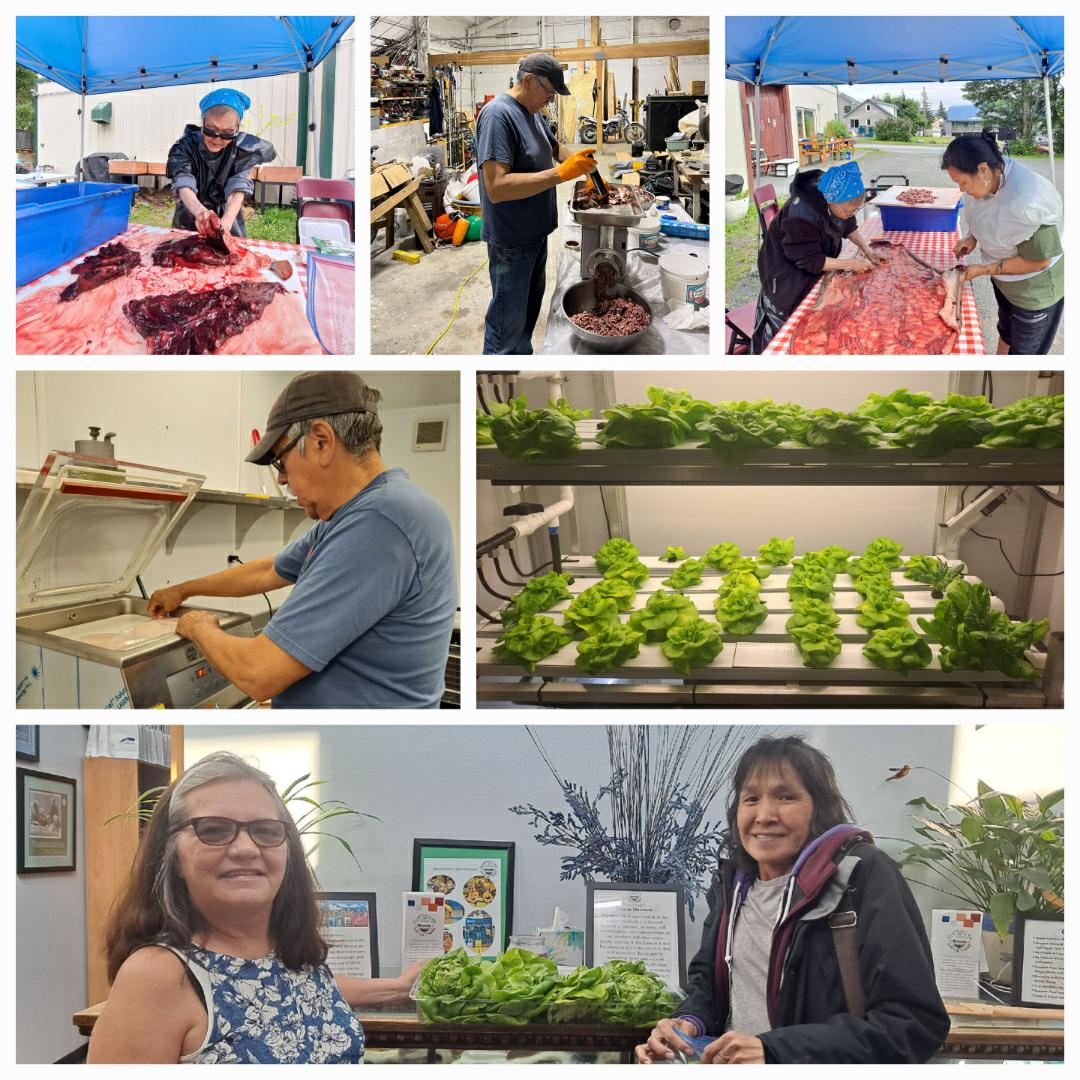
The CORaL Network Partnership Annual Meeting took place on September 28th and 29th in beautiful Seward, Alaska. It was wonderful to be able to gather together to further the goals of the CORaL Network. Each of the collaborating organizations had representatives present; Chugach Regional Resources Commission, Center for Alaskan Coastal Studies, Alaska SeaLife Center, Prince William Sound Science Center, Alaska Sea Grant and the Alutiiq Museum and Archeological Repository.
This EVOSTC funded Network is an innovative collaborative effort to positively impact communities that continue to be affected by the 1989 oil spill. The project ensures that current scientific information, skills, and activities are publicly accessible and serve community needs. Incorporating local and traditional knowledge are key components to this effort.
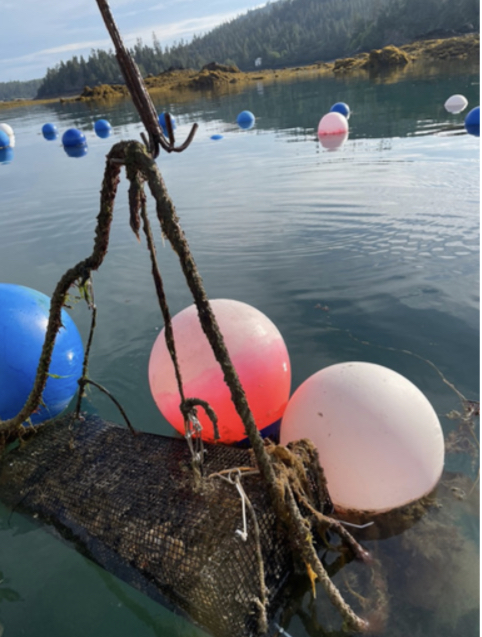
Through their work with the CORaL Network, Alaska Sea Grant is helping to support restoration, habitat enhancement, and economic development through research and partnerships between scientists, seaweed and shellfish farmers.
Mariculture Research and Restoration Consortium (Mar.ReCon) is a research and monitoring program designed to address the needs of the mariculture industry in the Exxon Valdez Oil Spill (EVOS) affected area including Prince William Sound, Kachemak Bay and Kodiak Island. This is a 10 year EVOSTC funded project.
This year a Mariculture Conference took place in Juneau.
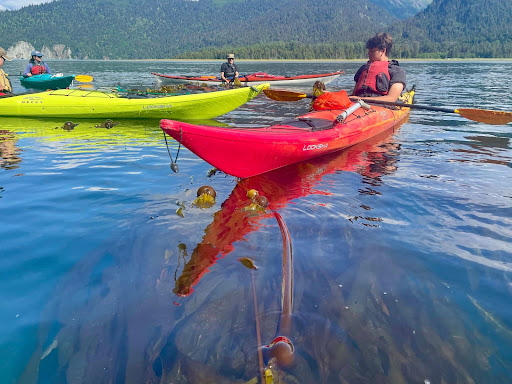
During the first week of August a group of five high school age participants and three leaders set out on a week-long kayak camping exploration where they learned about and navigated through some of the unique marine habitats of Kachemak Bay. This new program, called the Marine Science Expedition, was run by the Center for Alaskan Coastal Studies (CACS) and funded through the Exxon Valdez Oil Spill Trustee Council and the CORaL Network. Along with learning the fundamentals of kayaking, the program introduced the participants to aspects of local marine science and ecology while building leadership and stewardship skills.